Category: Featured Beverages

  • Featured Beverage: Ginger Pale Ale

    I’m a big fan of ginger. I love candied ginger, ginger tea, ginger beer soda, pickled ginger—you name it. Naturally, when I saw a pale ale with ginger on tap at a local Chinese dumpling place, I had to try it. But I was left wanting more, and so I began my quest to brew a better ginger pale ale.
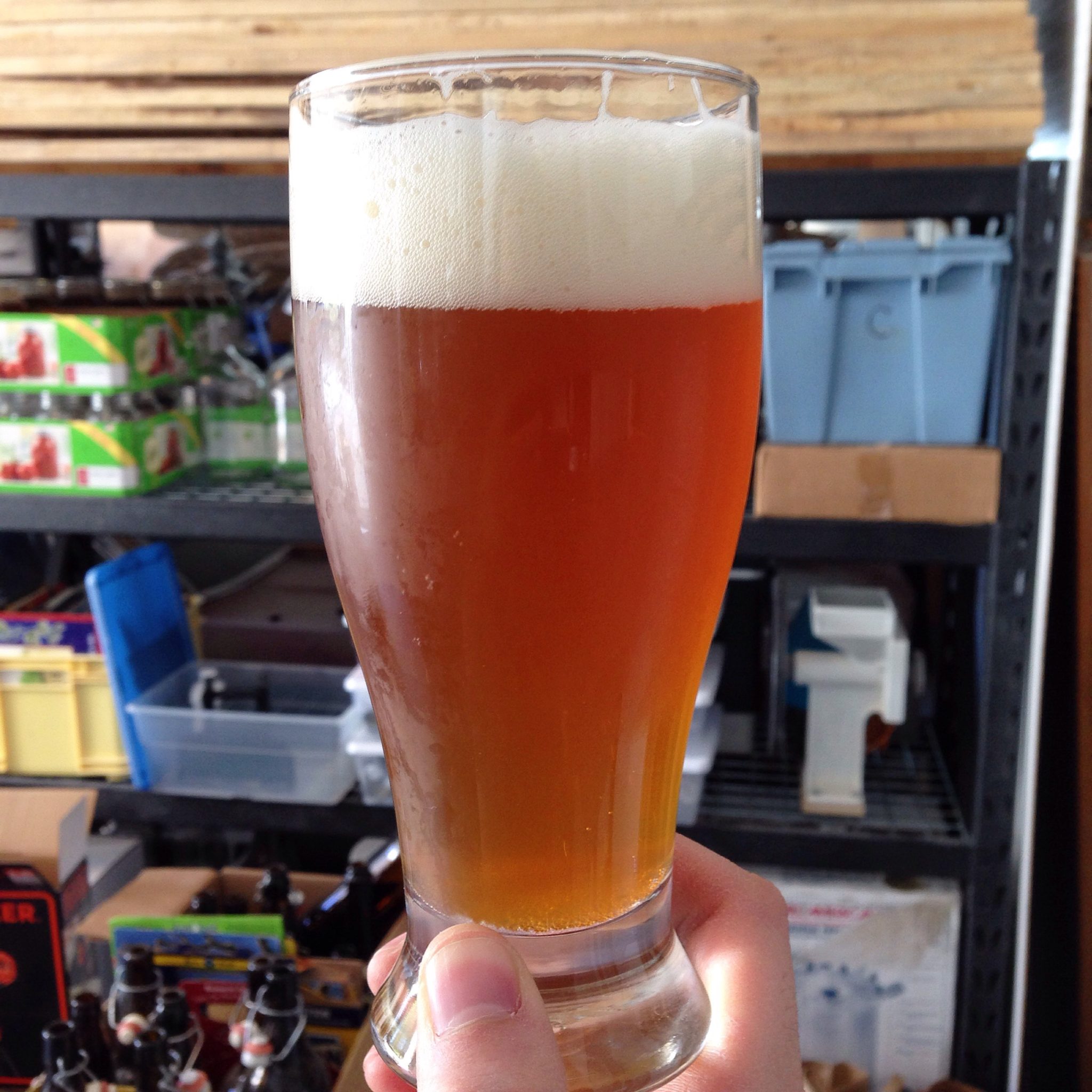
    Enjoying a pint (or two) of the Ginger Pale Ale

    The beer is designed as a classic American pale ale with generous additions of fresh ginger root that are complemented by citrusy Cascade hops. A simple grain bill of mainly American two-row malt and a small amount of medium crystal malt allows the ginger the stand in the forefront, and the hop bitterness is balanced just right make this beer very drinkable without being either bracing or cloying.
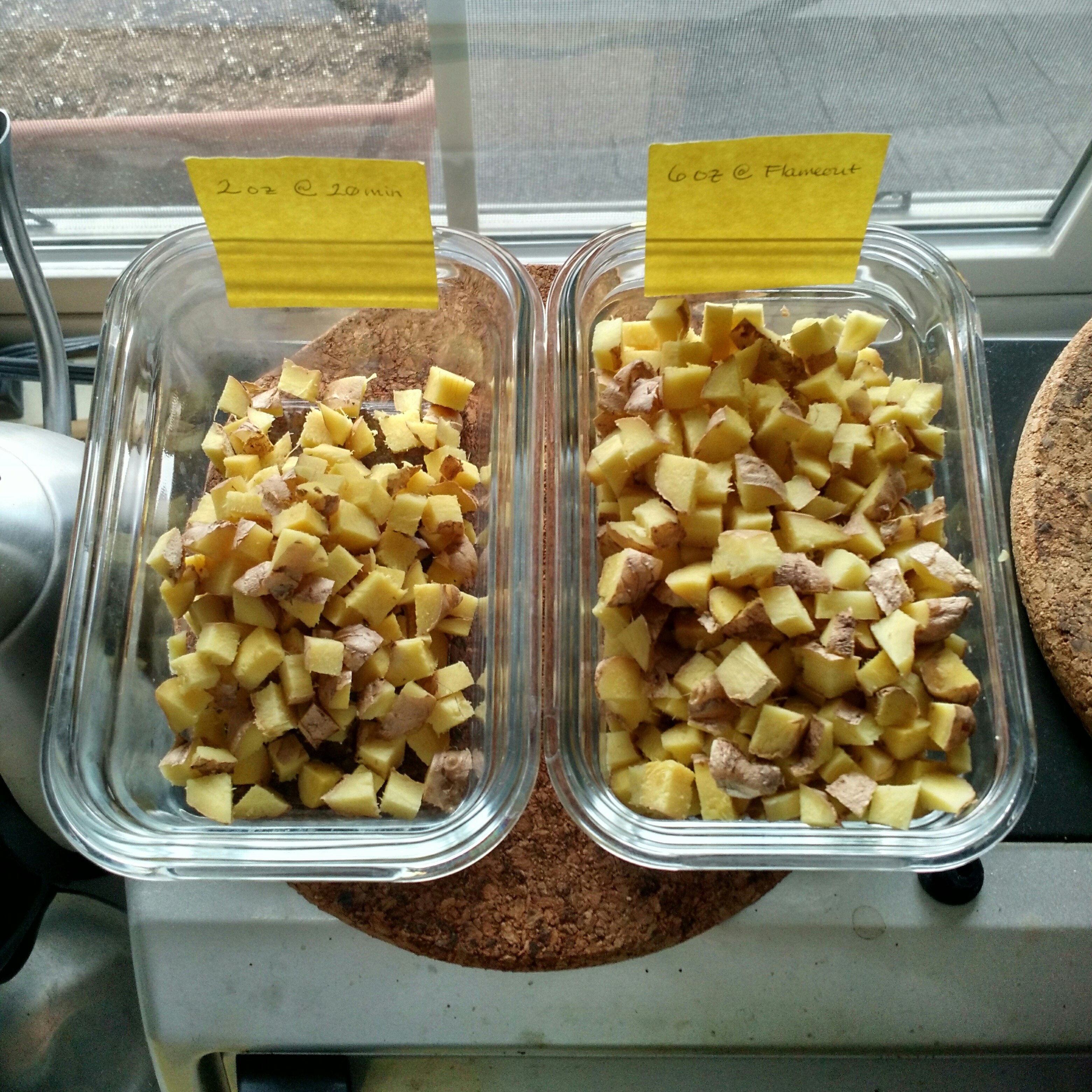
    Lots of fresh ginger root, diced and ready for the boil
    Lots of fresh ginger root, diced and ready for the boil

    Our Ginger Pale Ale is still very much a work in progress, but it’s already a palate pleaser, and I’m excited to continue improving it. For the next batch, I’m planning to bump up the ginger a bit more (did I mention I like ginger?), as well as increase the hop flavor with more Cascade hops and possibly another Northwest hop variety for some complexity.
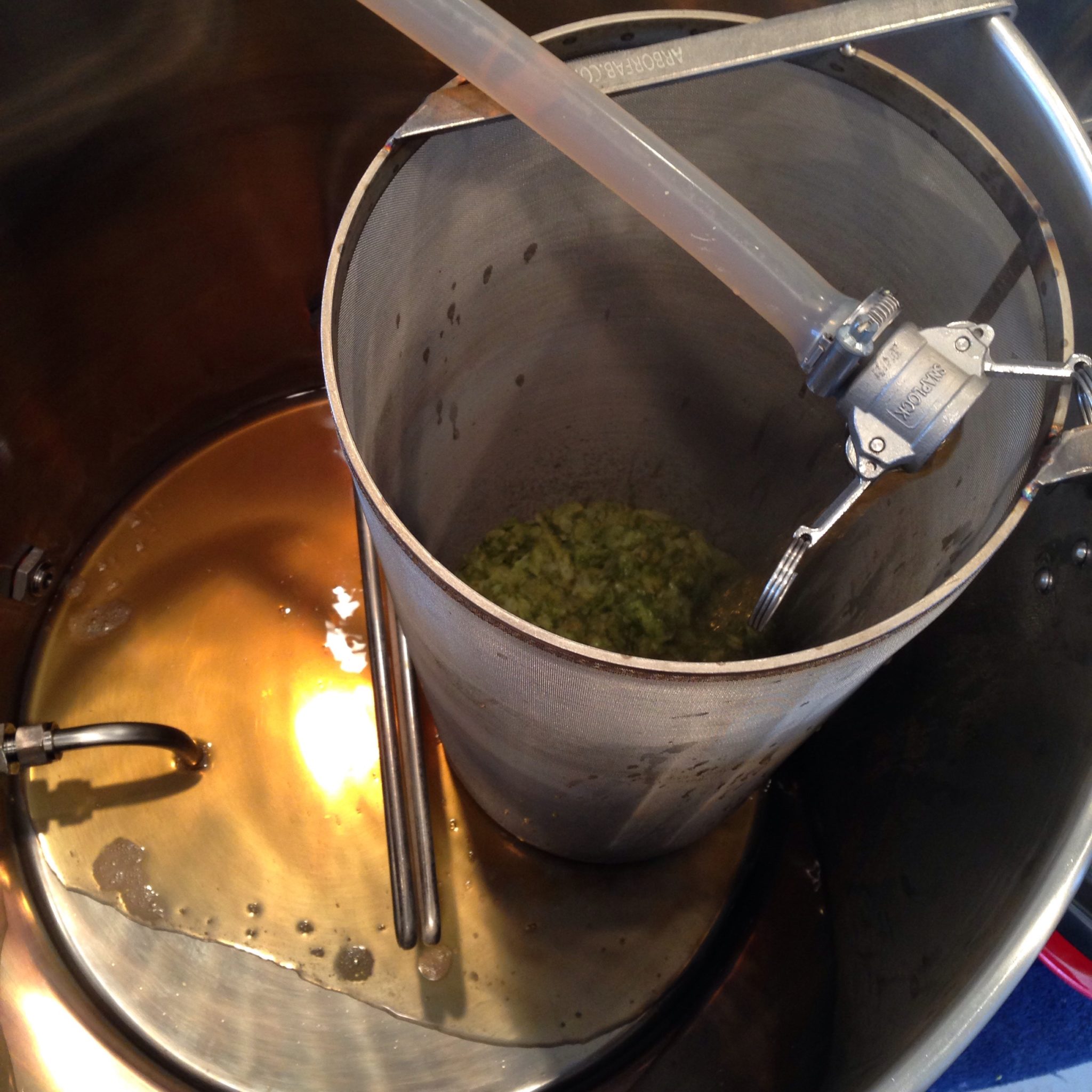
    Lautering onto the first wort hops before the boil
  • Featured Beverage: Table Beer

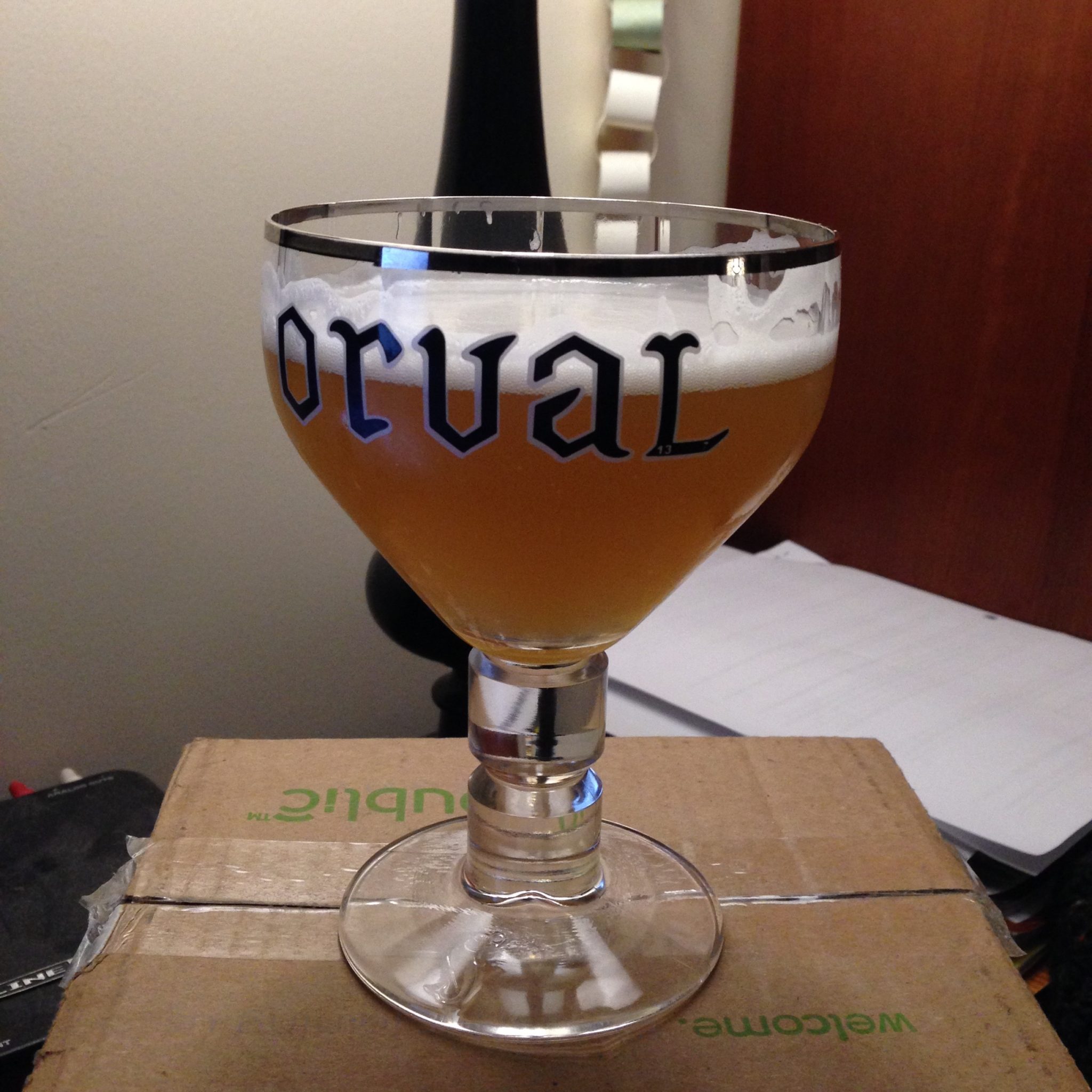
    Drinking Table Beer
    Drinking a glass of Table Beer

    I kicked off 2016 by brewing a new recipe as part of the Alchemy series: a Belgian single that I’m simply calling Table Beer. The goal is a highly sessionable Belgian-style pale ale, brewed in the tradition of the patersbier (Dutch for “father’s beer”) that is consumed by the Trappist monks and not typically released to the public. It comes in under 4% ABV, and is complemented by homegrown hops and a hint of spices.

    Table Beer Fermenting
    Nice big Kraeusen on the Table Beer during fermentation

    This beer has a very simple recipe, with the grist consisting entirely of Pilsner malt. Saaz hops were used for bittering, while homegrown Mt. Hood hops were used for a light hop flavor and aroma, and coriander and sweet orange peel added with restraint to provide a subtle complexity. It was fermented with a Belgian yeast strain that provides additional fruity and spicy characteristics. The result is a fairly dry pale ale that is refreshing and very easy to drink, yet showcases a distinct Belgian-inspired complexity of flavor.

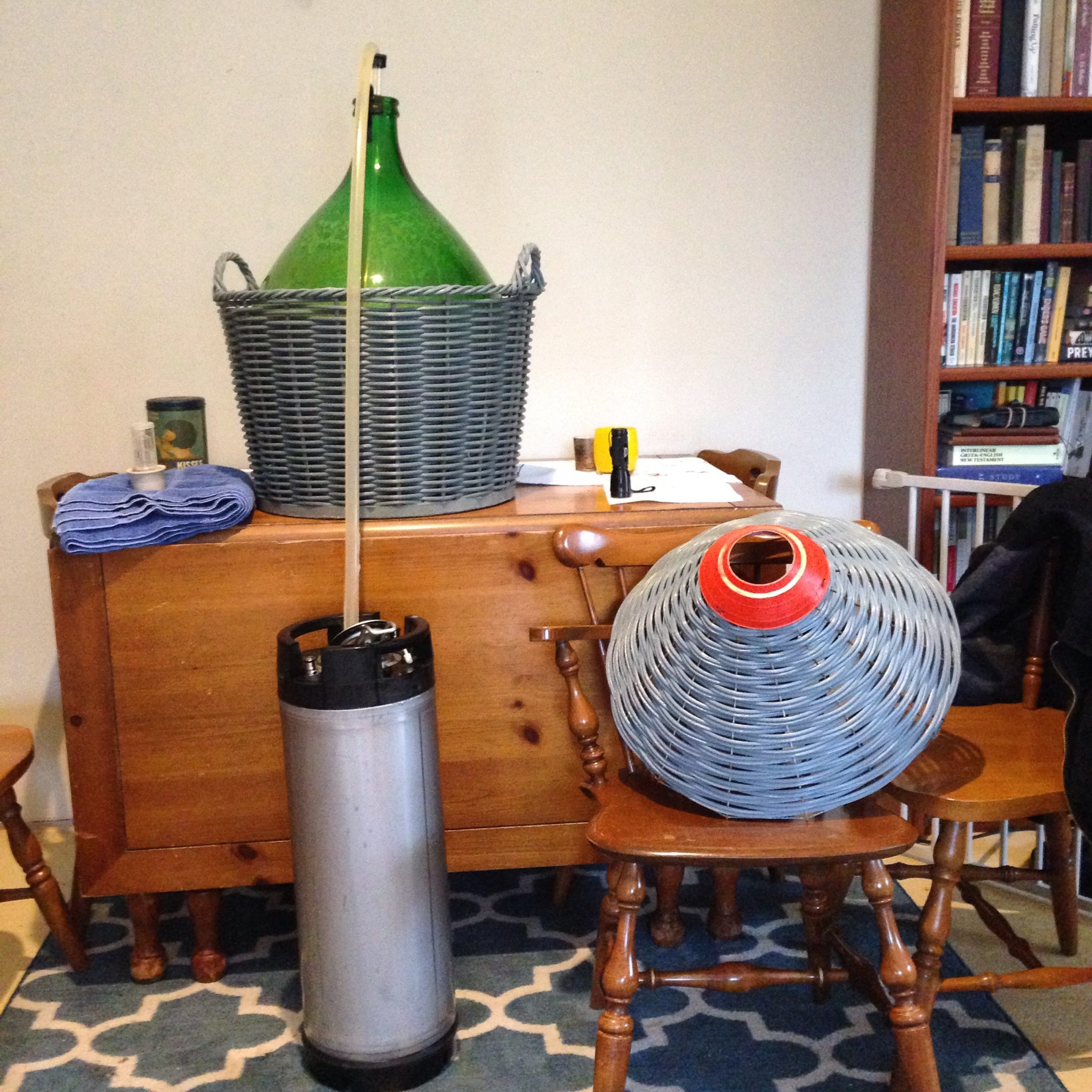
    Kegging Table Beer
    Kegging half of the Table Beer

    I force-carbonated half of the 10 gallon batch in a keg, and bottled the remainder for bottle conditioning. It’ll be interesting to compare the two in a couple weeks to see if there’s a noticeable difference between force-carbonating and bottle conditioning this beer. The kegged version already tastes great, though!