
Back in 2016, I brewed a beer that I called Salve Ale. My vision for the end result was a medicinal beer that would be very relaxing and have some sedative and healing effects. I ended up including 4 herbs along with some heavy hop additions, chosen both for their effects and for how the flavors would work together:
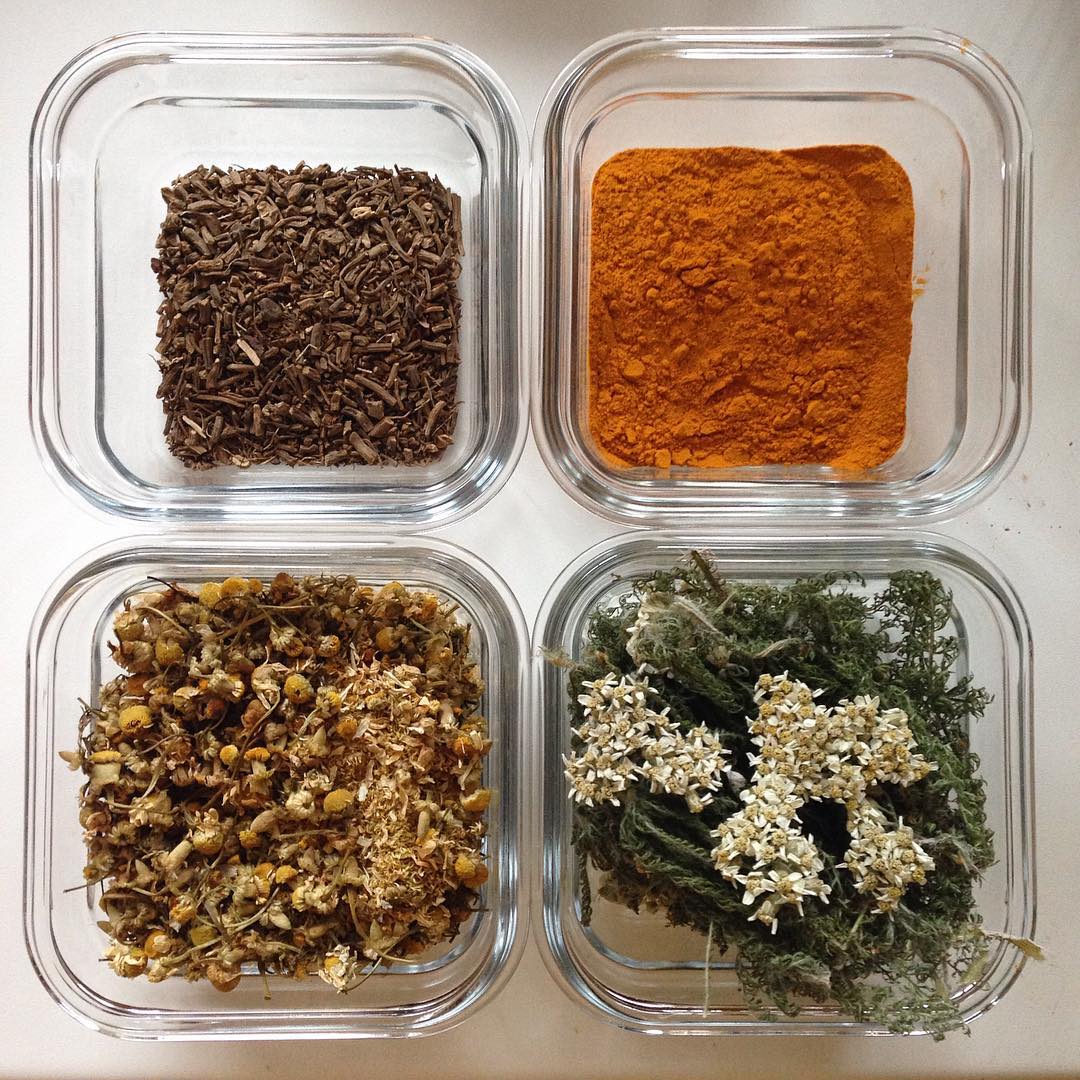
- Chamomile, for its calming sedative properties and its floral character
- Hops (Cascade, Willamette, and Tettnanger), for its relaxing and sedative effects, bitterness, and fruity floral character
- Turmeric, for its anti-inflammatory effect and yellow-orange color
- Valerian, for its sedative and calming properties and earthy bitterness
- Yarrow leaves and flowers, for its bitterness, floral character, and purported ability to boost the effects of other herbs (learn more about yarrow)
I brewed this as a smaller beer, around 4% ABV, to keep it easy to drink and to reduce the sleep disrupting effects of alcohol. I kept the grain bill simple and fermented it with a mildly fruity ale yeast.
Tasting notes

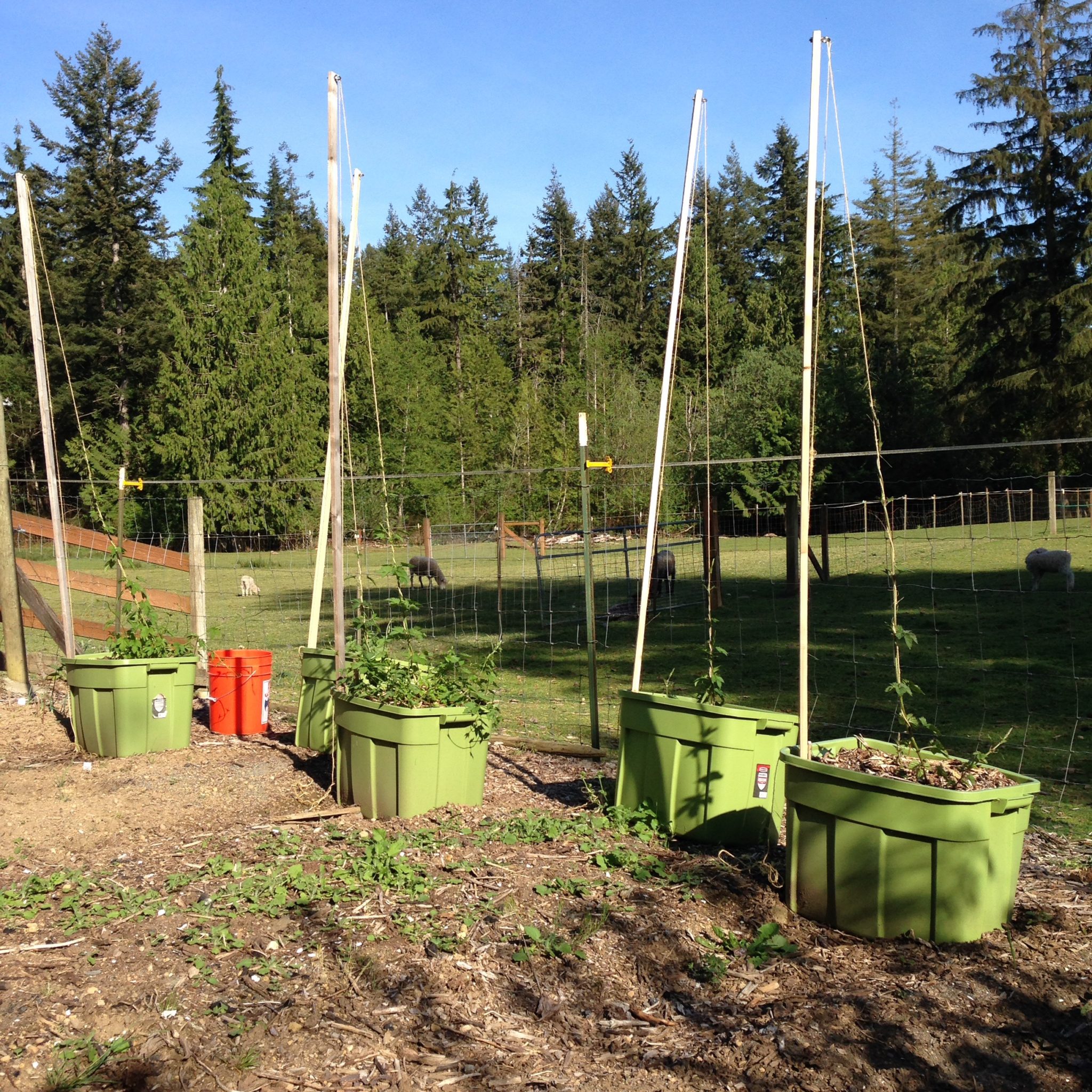
When tasting Salve Ale after it finished fermenting, the turmeric came through prominently, which was a bit surprising. The valerian root was very present, adding a bitter earthiness, and the yarrow actually ended up being a bit too strong for my tastes. I expected much more hop flavor and aroma, but I used a lot of homegrown hops which were likely not as potent as I had hoped. Next time, I would try cutting the turmeric, valerian, and yarrow all in half to achieve more balance in the beer.
The relaxing effect of the beer, however, was very noticeable, despite the low ABV. This recipe would make a great nightcap ale, especially after a day working in the yard.
Recipe for Salve Ale
This recipe is for a 5 gallon batch of Salve Ale. You can easily scale it up to whatever batch size you prefer.
Fermentables
- 7 lb 2 oz Maris Otter (95%)
- 6 oz Crystal 20L (5%)
You can also simplify the grain bill by only using 7 lb 8 oz of Maris Otter or another pale malt if you’d like.
Gruit
- 1 oz Hops, Cascade (first wort, 90 min)
- 1 oz Chamomile, dried (boil, 15 min)
- 1/2 oz Turmeric powder (boil, 15 min)
- 1/2 oz Valerian root, dried (boil, 15 min)
- 1/4 oz Yarrow, dried (boil, 15 min)
- 6 oz Hops, Cascade/Willamette/Tettnanger (whirlpool, 30 min)
- 6 oz Hops, Cascade/Willamette/Tettnanger (dry hop, up to 3 days)
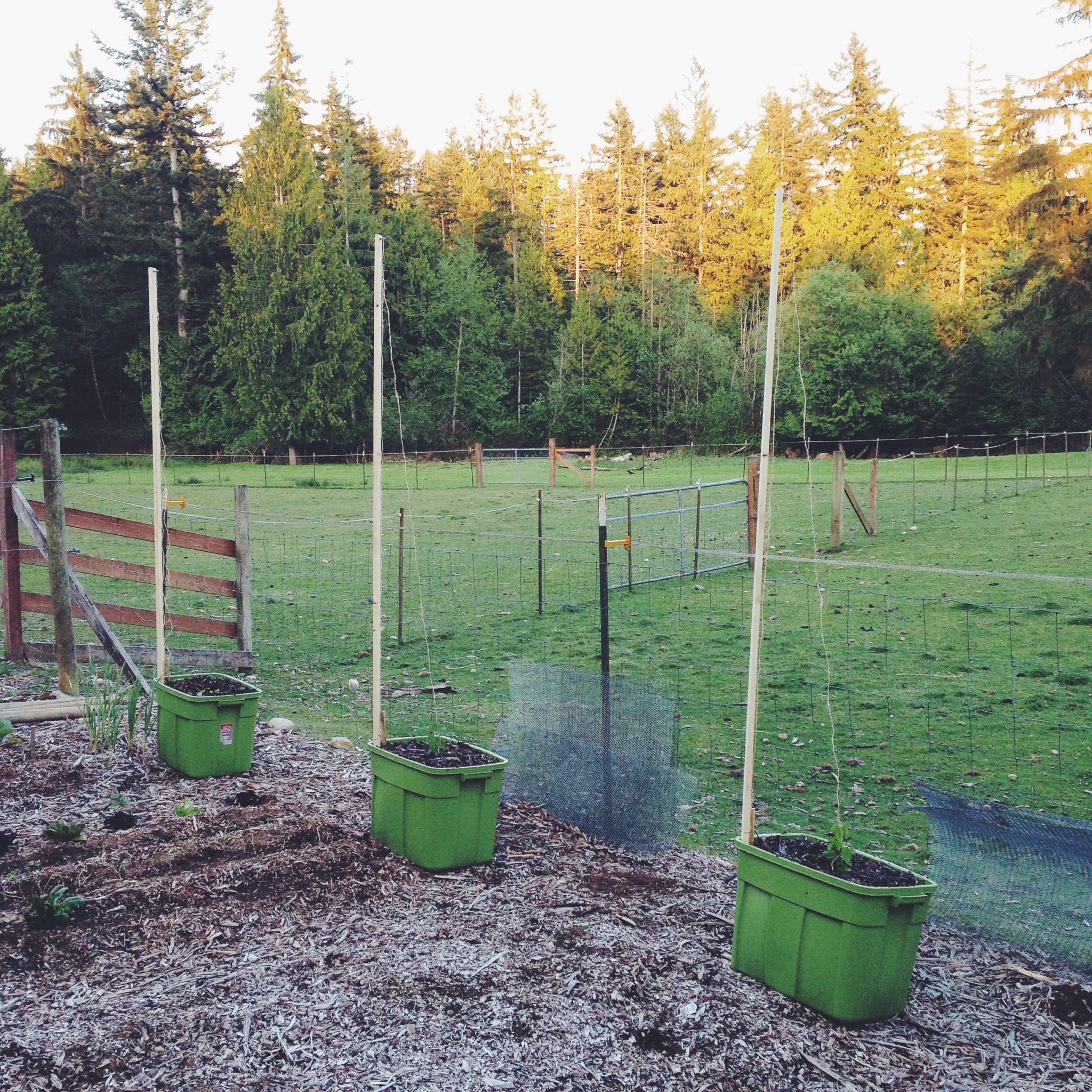
Feel free to play around with the hop varieties, amounts, and timing. I ended up using a lot of fresh homegrown hops instead of dried hops, with varying ratios.
Yeast
I had originally planned on using Wyeast 1056, American Ale yeast, but I ended up deciding to try WLP041, White Labs’ Pacific Ale yeast, which I liked. Most ale strains should work fine for this beer, though.
I made a yeast starter the day before brewing, pitched at 62 °F, and let it ferment for about 3 weeks. I then bottled it, targeting about 2 vol CO2, and let it condition for a week.