Author: benfarhner

  • Frankenstein’s EVAP System, Part 2

    Frankenstein’s EVAP System, Part 2

    Check out Part 1 first!

    After poring over service manuals and forums, I believe I’ve finally pieced together what should be a functional EVAP system for my 3.4 swap using the components that I’ve gathered. I came up with 2 options: one using the 3rd-gen 1998 charcoal canister, and one using the original 2nd-gen 1992 charcoal canister.

    General Approach

    Overall, the goal is to build a system that satisfies the ECU’s EVAP-related inputs so it doesn’t throw any codes.

    In both scenarios, I made use of following parts:

    • 2002 ECU
    • 2002 VSV for EVAP
    • 2002 VSV for CCV (Canister Closed Valve)
    • 1999 VSV for VPS (Vapor Pressure Sensor)
    • 1999 VPS (Vapor Pressure Sensor)

    The wiring is the same between the two systems, and the hose and vacuum lines are virtually the same as well. The primary difference between the two is the canister used, and how the VSV for CCV is hooked up (or not hooked up).

    The biggest challenge to actually piecing this together will be adding connectors for the VSV for VPS and VPS, since I don’t currently have those on my wiring harness. I’ll either need to source replacement connectors from the right year (preferable) or just use terminals on the pins (not as clean).

    Using the 1998 Charcoal Canister

    Diagram with 1998 box-style charcoal canister showing wiring, hose routing, and air/vapor flow for the 3.4 swap
    Diagram with 1998 box-style charcoal canister showing wiring, hose routing, and air/vapor flow.

    With the 1998 box-style charcoal canister, the setup is essentially the same as a typical 1996-2000 EVAP system. The primary difference is the addition of the VSV for CCV off of the 2002 harness, which my ECU expects to see.

    The two tees in the fuel vapor lines shown in the diagram are actually integrated into the EVAP canister itself, so there won’t be any tee fittings to install.

    Using the 1992 Charcoal Canister
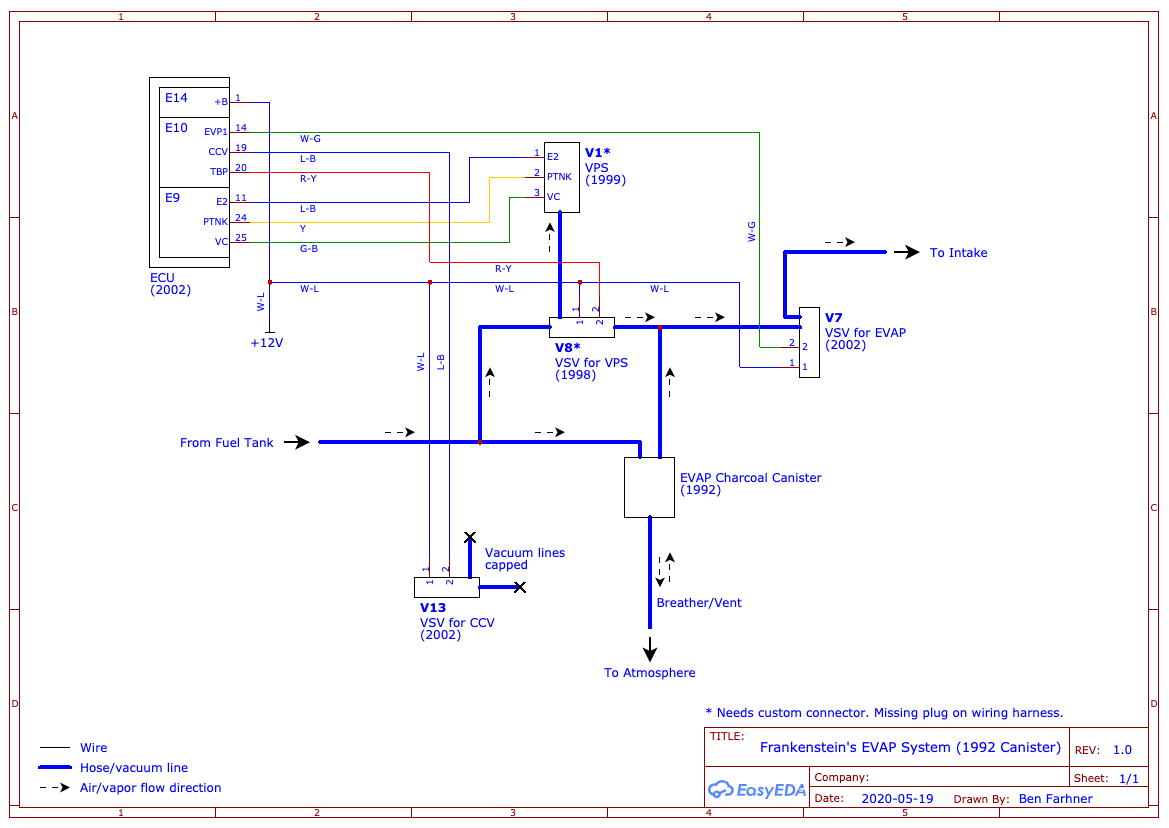
    Diagram with 1992 cylinder-style charcoal canister showing wiring, hose routing, and air/vapor flow for the 3.4 swap
    Diagram with 1992 cylinder-style charcoal canister showing wiring, hose routing, and air/vapor flow.

    With the smaller 1992 cylinder-style charcoal canister, the system is mostly the same, but there isn’t a dedicated fresh air intake on the older canister, so the VSV for CCV can’t be hooked up. It will still be plugged into the ECU, but the hoses on the VSV will either be capped or removed completely, depending on what the ECU likes best. At least one person said it doesn’t have to be hooked up at all, but I like to avoid unused plugs if possible.

    Additionally, the tees in the vapor lines shown in the diagram will actually require tee fittings since they are not integral in the older style canister.


    Several of the parts I need are now packed in a box as we’re about to move across the country, so it may take me a bit to actually get around to installing the EVAP system for my 3.4 swap. Plenty of time to decide which option to go with, though!
  • Frankenstein’s EVAP System, Part 1

    Frankenstein’s EVAP System, Part 1

    When I did the 3.4 engine swap in my 4Runner, I didn’t pull over the EVAP system from the donor vehicle, so I’ve been running without one for a few months now. My donor vehicle for the swap, a 2002 4Runner, had the newer style EVAP system located back by the fuel tank, something I didn’t want on my ’92. Since then, I’ve acquired the older style 3rd gen EVAP canister and VSVs (Vacuum Switching Valves), and I still have the original ’92 canister, and I’m trying to piece together Frankenstein’s EVAP system from all these parts to work with my swap.

    Parts

    Here’s what I have to work with:

    • 2002 engine wiring harness
    • 2002 VSV for EVAP
    • 2002 VSV for CCV (Canister Closed Valve)
    • 1999 VPS (Vapor Pressure Sensor)
    • 1999 VSV for EVAP
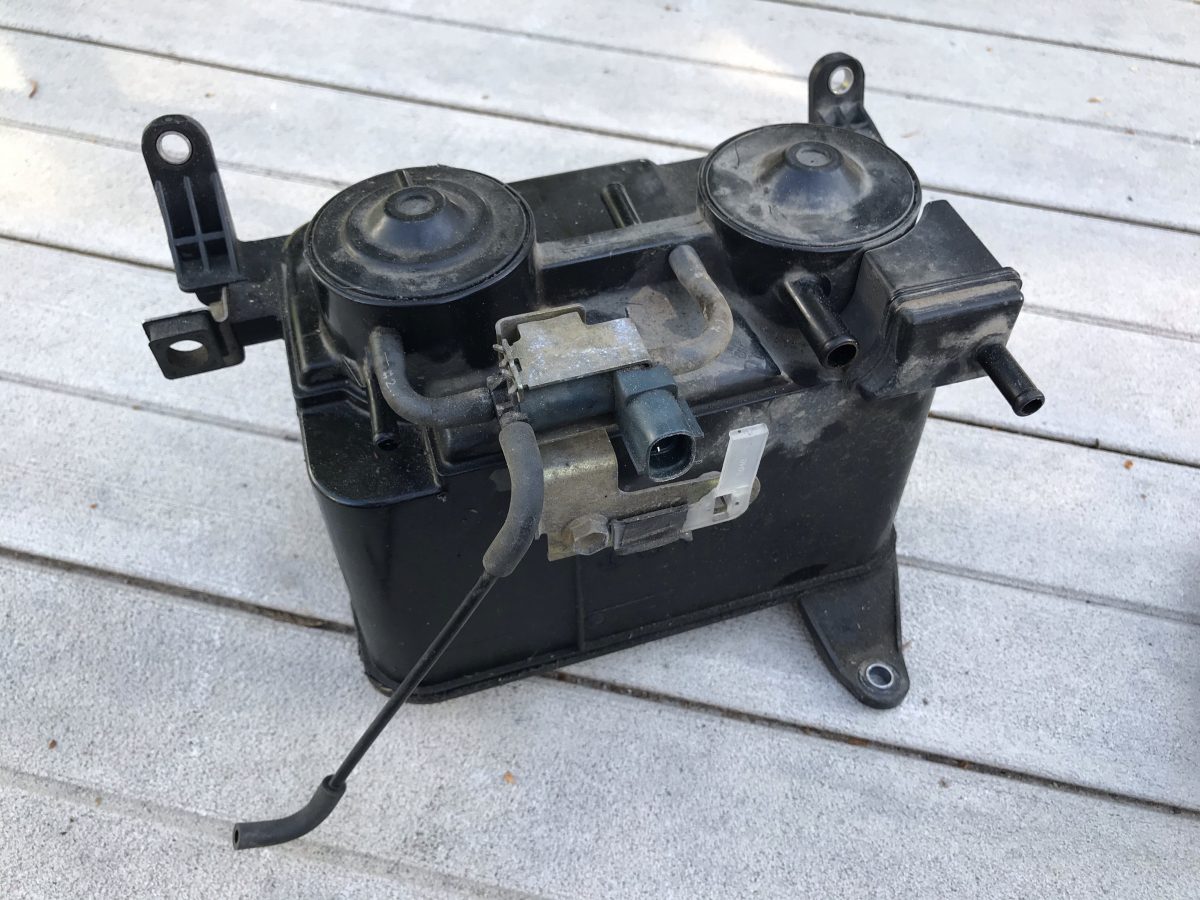
    • 1998 EVAP canister (larger box style)
    • 1998 VSV for VPS (Vapor Pressure Sensor)
    • 1992 EVAP canister (smaller cylindrical style)
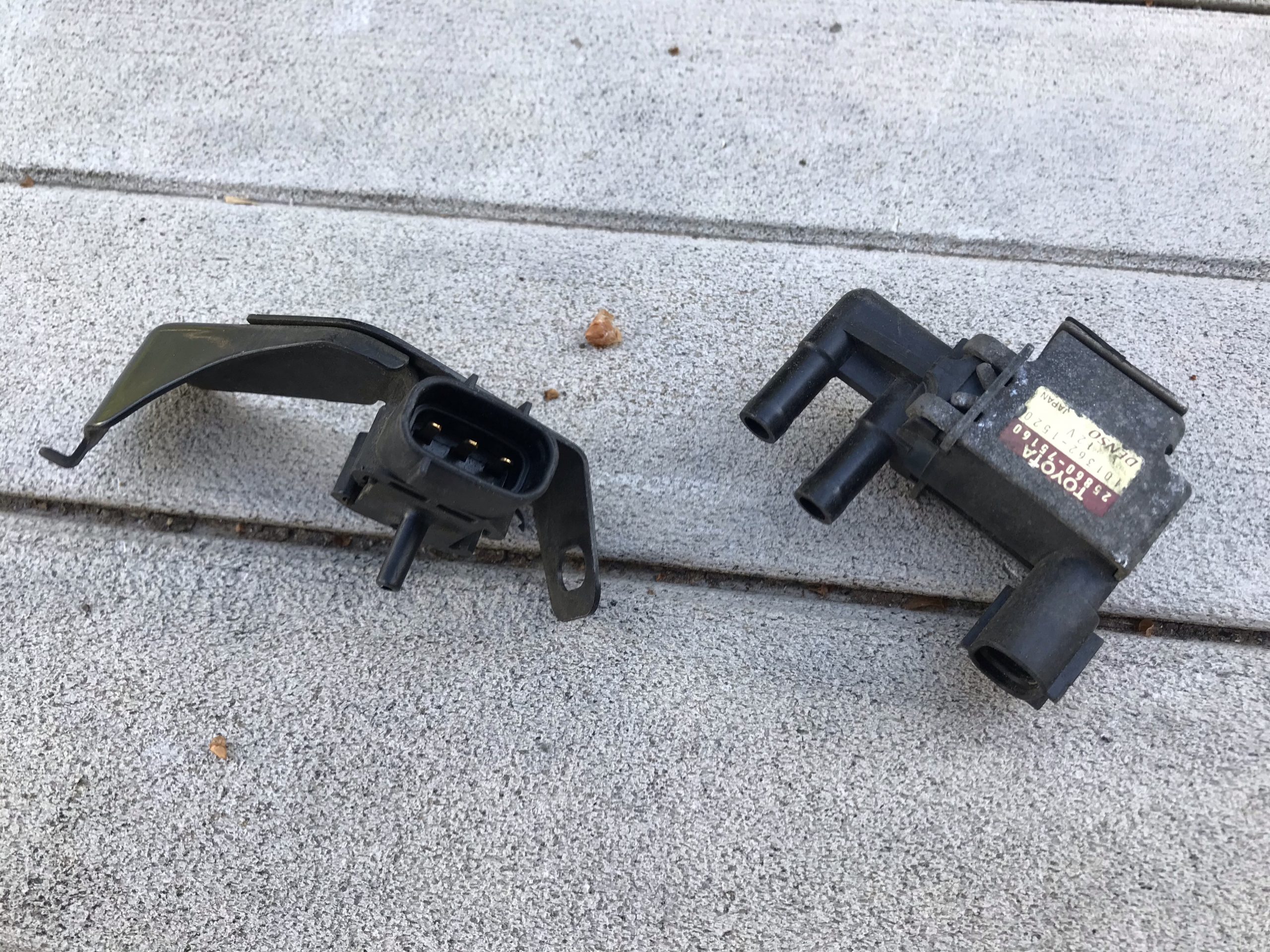
    1999 VPS and VSV for EVAP for 3.4 swap
    1999 VPS (left) and VSV for EVAP

    I saw a few places reference the “VSV for EVAP” part as the “Canister Purge Solenoid,” which may come in handy when looking for replacement parts.

    2002 VSV for EVAP and VSV for CCV with hoses for 3.4 swap
    2002 VSV for EVAP (top left) and VSV for CCV (top middle), with hoses

    Process

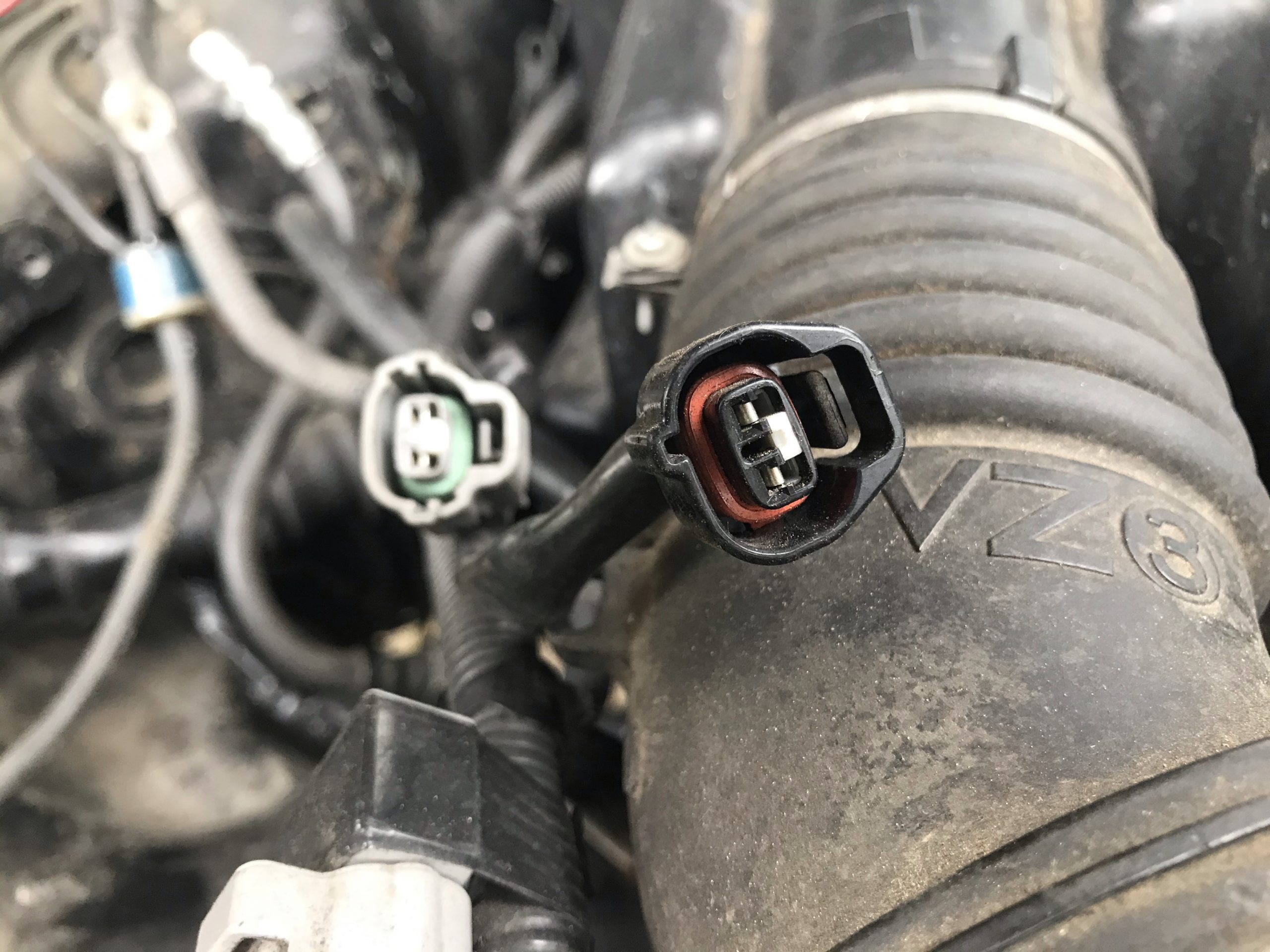
    First, I had to figure out what plugs I had available on the 2002 engine harness to work with. Using the 2002 wiring diagram, I was able to locate the plugs for the VSV for EVAP and the VSV for CCV.

    2002 engine harness plugs for the VSV for CCV and VSV for EVAP for 3.4 swap
    2002 engine harness plugs for the VSV for CCV (left, background) and VSV for EVAP (right, foreground)

    However, the other 2 plugs were part of the body wiring harness on the donor car which I did not keep, so I’ll need to do some extra wiring work to hook up the VPS and VSV for VPS.


    Check out Part 2 as I map all of this out and figure out how to hook it up so my 3.4 swap can have a working EVAP system!

  • CB Radio Install

    CB Radio Install

    I recently installed a CB radio in my 4Runner. It turns out that certain smaller CB radios, like the Uniden PRO520XL that I used, fit perfectly in the ashtray location. I put together a short video on how I did the install, and I’ve included a few extra details below.

    I’m actually running a 4′ antenna, not a 5′ like I said in the video. I also forgot to mention that you’ll probably need a right-angle connector for the antenna on the back of the CB (you can see it when I’m test-fitting the radio) in order to fit inside the dash. Mine is right up against the back with the right-angle connector and there wouldn’t have been enough room without it.

    Parts List:

    Be sure to tune your antenna before you use the radio! The video below has great instructions on how to tune your antenna. For tuning, I used the following additional parts: